Noah | Klavona Team
Feb 2, 2025
Content Decay in the AI Era: How to Keep Rankings Fresh in 2025

Content Decay in the AI Era: Why Freshness Matters More Than Ever
Search engines are evolving faster than ever. With Google’s Search Generative Experience (SGE), ChatGPT, and other AI-driven platforms delivering answers in real time, stale or outdated content loses visibility almost instantly. This phenomenon—known as content decay—occurs when once high-performing pages gradually decline in rankings, traffic, and relevance.
Unlike traditional SEO decay, where competition and algorithm updates were the main culprits, today’s decline is accelerated by AI models prioritizing the freshest, most authoritative, and contextually relevant insights. If your content isn’t continuously updated and optimized, it risks being excluded from AI-powered snapshots, answers, and conversational search queries.
Causes of Content Decay in the AI Era
Algorithm Shifts — Google’s algorithm and AI-powered search updates, like the Search Generative Experience (SGE), rapidly make older content less relevant, even if it once ranked at the top.
Changing Search Intent — As users shift toward conversational and multi-turn queries in tools like ChatGPT and other AI search engines, static and outdated content struggles to meet evolving expectations.
Competitor Updates — Businesses that refresh and optimize their content more frequently push stale pages down in the Google rankings, accelerating decay for less-maintained websites.
AI Content Flood — The explosion of AI-generated content has intensified competition, making it harder for older pages to maintain visibility without continuous SEO updates and strategic optimization.
Bias in AI Algorithms: Why Fairness and Transparency Matter in 2025
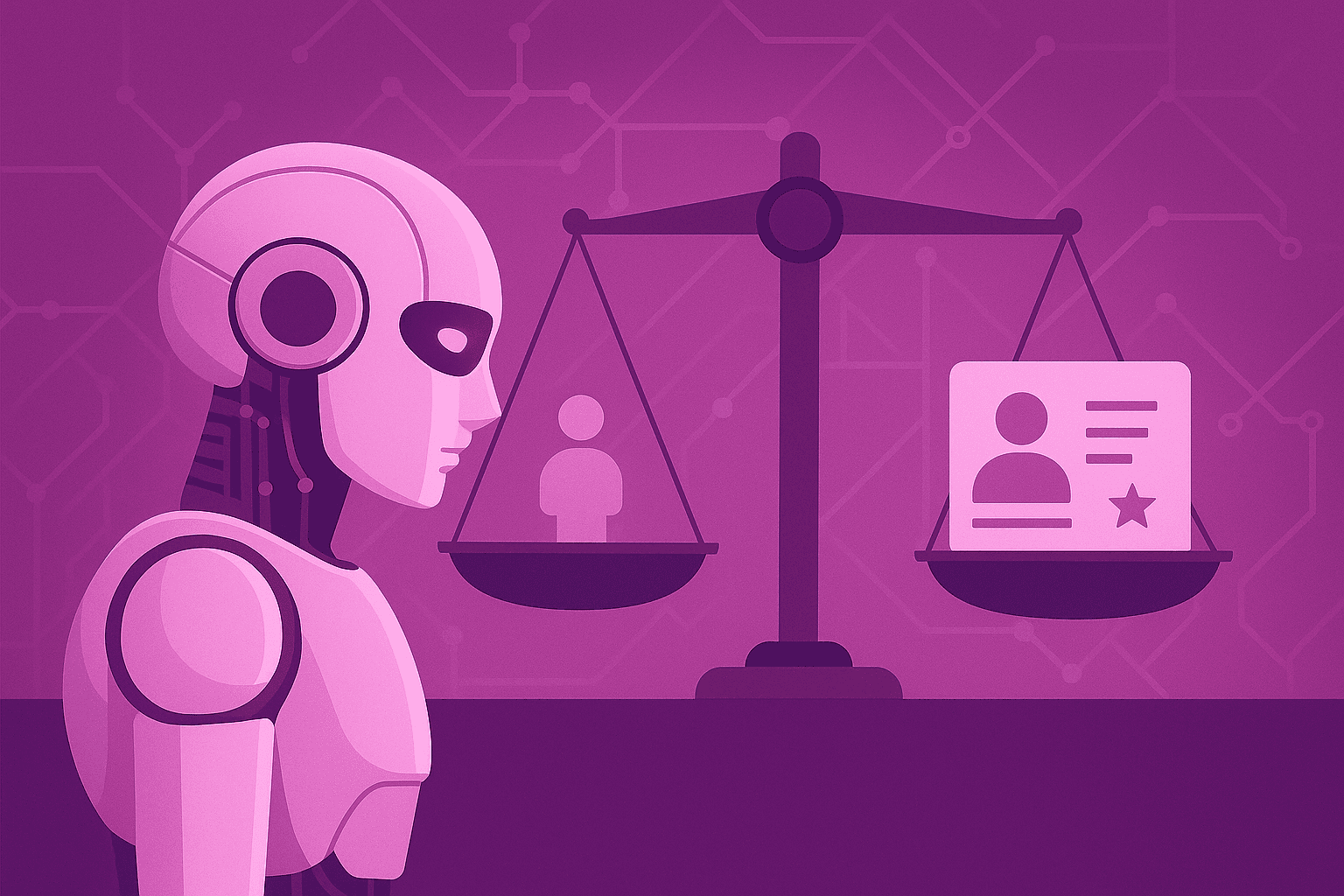
AI systems often reflect societal biases hidden in training data, which can result in unfair or discriminatory outcomes — particularly in sensitive areas such as hiring, lending, healthcare, and law enforcement.
To combat this, businesses must adopt rigorous testing frameworks, diverse data sets, and continuous audits to identify and minimize bias.
Equally important is transparency in data usage — organizations should clearly inform users how their data is collected, processed, and protected to build trust in AI-driven systems.
AI as a Catalyst for Human Creativity and Innovation in 2025
In creative industries, AI is no longer just a tool — it’s a partner in innovation. Artists, designers, and musicians are using AI to spark fresh ideas, experiment with unconventional techniques, and push the boundaries of traditional practices. This collaboration between human intuition and machine intelligence is producing groundbreaking works that would have been impossible through human effort alone.
As we navigate the AI frontier, it’s critical to balance opportunity with responsibility. AI has the power to transform industries, solve pressing global challenges, and inspire entirely new forms of expression. Unlocking this potential requires a strong commitment to ethical development, inclusive innovation, and transparent collaboration between humans and machines.

Balancing Public Concerns and Opportunities in the AI Era
Clear communication about both the opportunities and risks of AI—supported by real-world success stories in healthcare, business, and education—can foster greater public trust and accelerate adoption.
The future of AI is not predetermined; it’s shaped by the choices we make today. By embracing innovation responsibly, prioritizing ethical use, and addressing concerns such as privacy and job displacement, we can unlock AI’s full potential to improve lives and drive positive global change.
👉 Looking to harness AI and innovation to get ahead in search rankings? [Explore our SEO services] and discover how we combine AI-driven insights with proven strategies to boost your visibility, traffic, and growth.